Caribbean Food Denver: A Local Guide to Island Cuisine
@johnnyeymw159
November 27, 2026 · 14 min read
Denver is not the first American city people name when they talk about Caribbean cooking, and that is exactly why the local scene rewards a little patience. You are not walking into a city packed with a Caribbean restaurant on every block. What you will find instead is a smaller, more personal network of cooks, family-run kitchens, catering operations, food trucks, neighborhood spots, and pop-ups that keep island flavors in circulation across the metro area. If you know what to look for, the experience can be far more satisfying than simply chasing a trend.
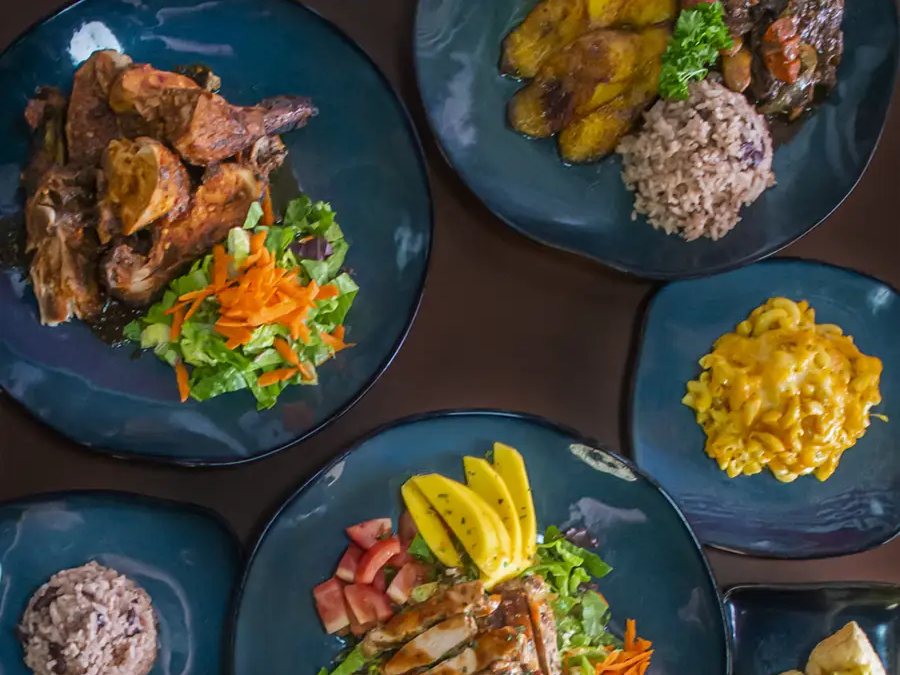
The phrase caribbean food denver can mean a few different things depending on who is speaking. For one diner, it means a plate of jerk chicken with rice and peas and cabbage. For another, it means Cuban roast pork, fried plantains, and a cafecito. For someone else, it means patties, oxtail, curry goat, mofongo, sorrel, or a flaky beef pastry eaten standing at a counter while talking to the owner. The Caribbean is not one cuisine. It is a region shaped by African, Indigenous, Spanish, French, British, Dutch, Indian, and Chinese influences, with ingredients and techniques that shifted from island to island. A useful local guide has to respect that complexity.
What makes Caribbean food distinct in Denver
Denver’s dining culture leans adventurous, but it also has its own habits. Diners here like bold flavor, casual settings, and food that feels worth the trip. Caribbean food fits that instinct well. The challenge is that island cooking often depends on ingredients, labor, and timing that do not always map neatly onto a fast-casual, high-altitude, high-rent restaurant model. Good jerk takes time. Proper braised oxtail is expensive and slow. Plantains ripen on their own schedule, not yours. Many dishes are at their best in steam-table service, at family gatherings, or from kitchens that cook in batches rather than to order.
That helps explain why some of the best Caribbean food in Denver shows up outside the polished full-service format. You may find it in a market with a hot bar, a weekend pop-up, or a food truck posted at a brewery. You may hear about it through word of mouth before you ever see it on a glossy social feed. That is not a weakness. In my experience, it is often a sign that the cooking is still connected to the people and traditions that created it.
Denver also changes food. Dry air, altitude, and local sourcing can subtly affect texture and seasoning. Rice may cook a touch differently. Fried foods can behave in odd ways. Fresh seafood, a natural fit for many coastal Caribbean cuisines, is not the local default here, so menus may lean more heavily on braises, grilled meats, stews, beans, and starches. A strong kitchen adapts without sanding off the identity of the dish.
How to recognize the real thing
A lot of restaurants use island language casually. Tropical décor, a beach playlist, and a rum cocktail do not necessarily add up to Caribbean cooking. The better signal is the menu itself. Look for depth rather than branding. If a place offers jerk, ask whether it tastes of allspice, thyme, scallion, chile heat, and smoke, or whether it is just sweet barbecue sauce with extra spice. If the menu lists rice and peas, it should generally mean rice cooked with coconut milk and kidney beans or gungo peas, not plain rice sprinkled with green peas. Oxtail should be gelatin-rich and deeply savory, not just generic brown stew beef.
The side dishes tell you plenty. Well-seasoned cabbage, fried sweet plantains, festival bread, callaloo, yuca, black beans, and macaroni pie all carry cultural information. So do drinks and desserts. Sorrel during the holidays, coconut drops, rum cake, flan, tamarind, guava, and fresh juices are not afterthoughts. They are part of the meal’s logic.
Service style matters too. In many good Caribbean spots, hospitality feels direct and familial rather than rehearsed. You may get a recommendation instead of a polished sales pitch. You may be told a dish is sold out because it actually sold out. That is often a good sign. Island cooking is full of items that cannot be stretched indefinitely without losing quality.
The cuisines you are most likely to find
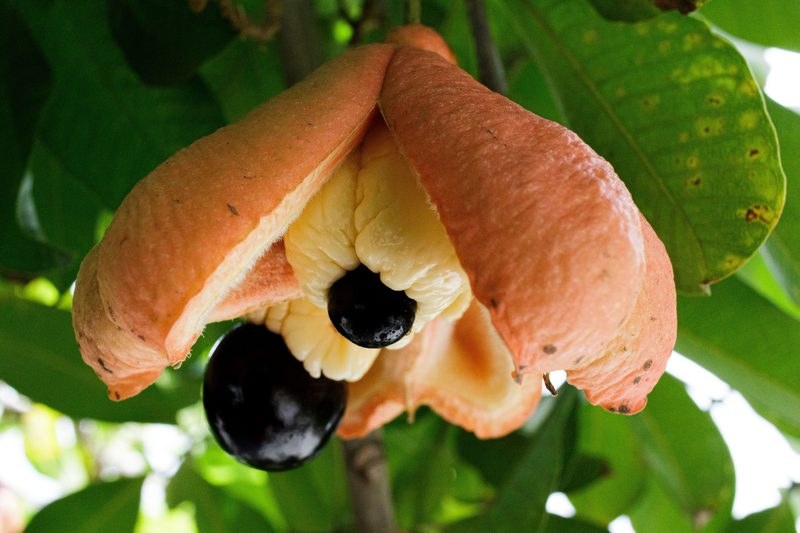
Jamaican food tends to be the most visible entry point for many Denver diners, and for good reason. It travels well, it is richly aromatic, and it spans both comfort food and spice-driven grilling. Jerk chicken gets the attention, but curry goat, brown stew chicken, oxtail, ackee and saltfish, and beef patties are just as important. A serious Jamaican kitchen knows how to balance heat with herbaceousness and smoke.
Cuban food often reaches Denver diners through sandwiches, roast pork, black beans, rice, croquetas, and fried plantains. This can be excellent, though some local menus flatten Cuban cooking into only a few familiar staples. When the kitchen is thoughtful, you get citrus, garlic, slow roasting, and the kind of texture contrast that makes a simple plate memorable.
Puerto Rican food has a different rhythm. Mofongo, pernil, arroz con gandules, alcapurrias, pastelillos, and tostones speak to a cuisine that loves seasoning, frying, and pork but also values soft, starchy comfort. A good Puerto Rican meal feels hearty and expressive, with a lot of satisfaction built into every side dish.
Trinidadian and Tobagonian cooking, if you come across it in Denver, is worth stopping for. Doubles, roti, curried meats, pepper sauces, and the strong Indo-Caribbean influence create a flavor profile that stands apart from Spanish Caribbean or Jamaican traditions. The first time many diners taste a well-made doubles, they understand how much the local definition of Caribbean food has been missing.
You may also encounter Haitian, Dominican, or broader pan-Caribbean menus. These can be excellent if the kitchen has a real point of view. Pan-Caribbean can sometimes be a practical business decision in a city where any one island’s customer base may not be large enough to support a narrow menu every day. That is not inherently a compromise. Some of the best cooks in smaller markets are fluent across multiple island traditions.
What to order if it is your first time
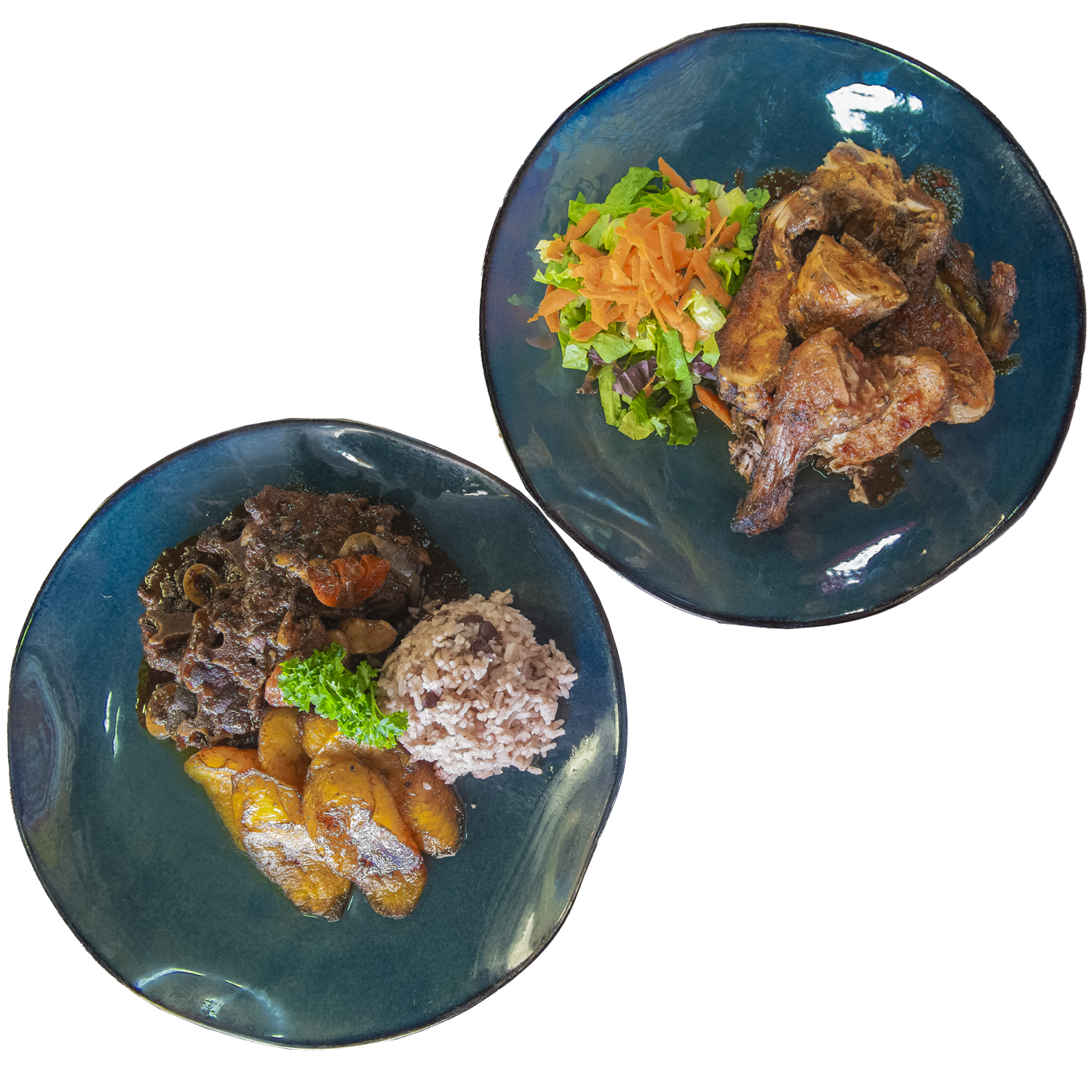
If you are exploring Caribbean food in Denver for the first time, the smartest move is to order dishes that reveal the kitchen’s fundamentals. Jerk chicken shows spice balance and grilling skill. Oxtail shows patience, stock work, and seasoning. Rice and peas show whether the kitchen understands the supporting architecture of the plate. Plantains reveal timing, ripeness, and fry technique. A patty, if available, tells you a lot about pastry, filling, and whether the place sweats the details.
There is also a practical side to ordering. If you are taking food home, braises and stews usually hold up better than crisp fried items. If you are dining in, add something that should be eaten immediately, such as tostones or a flaky pastry. If you are sensitive to heat, ask questions. Caribbean food is not automatically fiery, but some kitchens season assertively and expect you to keep up.
One small tip from experience, do not judge a place by how sweet the plantains are on one visit. Ripeness changes day by day. Judge it by overall flavor, warmth, texture, and whether the sides feel intentional rather than generic.
Why side dishes matter more than people think
A lot of diners focus on the entrée and miss the point. In Caribbean cooking, the meal is a composition. Rice, beans, greens, starches, sauces, and fried elements are not filler. They are what turn a protein into a complete plate. Denver diners used to a meat-centered menu can overlook this, then wonder why one meal feels special and another feels flat.
Take rice and peas. In a great version, the rice carries coconut fragrance, gentle spice, and the savory echo of what it was cooked with. It should support the main dish without disappearing beside it. The same goes for cabbage. In the right hands, braised or sautéed cabbage brings sweetness, pepper, and moisture that balance rich meats. Fried plantains bring caramel notes and softness. Tostones bring crunch and salt. Beans bring body. Pepper sauces sharpen everything.
When I size up a Caribbean kitchen, I pay attention to whether the sides taste like they were made by someone who values them. If they do, the rest of the meal usually follows.
Where and when to look in Denver
The best search strategy is not always “most reviewed restaurant near me.” Caribbean food in Denver often appears in waves, through special events, rotating stalls, and part-time operations. A truck might have a stronger following than a dining room. A caterer may open for public service only on certain days. A neighborhood market might quietly make one excellent lunch item that never becomes the focus of its online presence.
That means timing matters. Lunch can be stronger than dinner at some operations because the food was caribbean food denver built for midday steam-table service. Weekend specials may include dishes too labor-intensive for weekdays. Holiday periods can bring baked goods, drinks, and celebratory dishes that never show up in regular rotation. If you see sorrel, black cake, or special stews offered seasonally, pay attention.
Neighborhood by neighborhood, Denver’s food culture tends to reward mobility. You may need to cross the city or head into surrounding parts of the metro area to find the meal you want. That is common with diaspora cooking in cities where communities are dispersed rather than clustered in one traditional enclave. It is less about one “Caribbean district” and more about knowing which kitchens are worth the drive.
How Denver diners can support better Caribbean restaurants
Caribbean kitchens face some predictable pressures. Ingredient costs can be high. Labor is intensive. Menus may include cuts and preparations that mainstream diners say they want, but do not always order consistently. Rent and staffing affect everyone in hospitality, but they hit independent operators especially hard.
If you want stronger caribbean food denver options over time, support the places that cook with conviction. Order beyond the safest item. Show up for lunch and weekday service, not just weekend novelty. Buy the sides. Ask about specials. Tip well. If a dish is unfamiliar, try it before deciding the city “doesn’t have good Caribbean food.” Many excellent restaurants struggle not because the food lacks quality, but because the audience only buys the one thing it already knows.
There is also value in cultural curiosity without performance. You do not need to announce that you are being adventurous. Just eat attentively. If the owner tells you the stew takes all day, hear that as information about craft, not as a sales line. If a place has one dessert and it is homemade, order it at least once.
Common misunderstandings about island cuisine
One misunderstanding is that Caribbean food equals heavy food. Some of it is richly comforting, yes, but the region also has a long tradition of bright marinades, fresh herbs, citrus, seafood, fruit, and layered vegetables. Even the heavier dishes are often balanced with acidity, spice, or greens. A plate of jerk chicken with cabbage and rice is not trying to be delicate, but it is also not just blunt force richness.
Another misunderstanding is that all Caribbean food should taste similar. It should not. A Jamaican curry and a Puerto Rican pernil belong to the same broad region but come from different histories, ingredients, and techniques. If a menu erases those distinctions, the problem is the menu, not the cuisine.
The third mistake is expecting a standardized heat level. Some dishes are hot, others are not. Scotch bonnet peppers are foundational in many kitchens, but that does not mean every bite should challenge your tolerance. Good Caribbean cooking is more interested in flavor than punishment.
What a very good meal looks like
A very good Caribbean meal in Denver usually has a sense of cohesion. The meat is deeply seasoned, not just sauced on the surface. The rice is fragrant on its own. The sides taste alive. The texture shifts from soft to crisp to saucy in a way that keeps the plate moving. Nothing feels caribbean food denver decorative. Even a simple lunch tray has intention.
It also leaves you with a particular kind of satisfaction. Not the sleepy heaviness of a meal that overdid grease or sugar, but the feeling that every component earned its place. You notice that the bones in the oxtail gave the sauce body. You taste thyme in the background. You realize the cabbage cut the richness at exactly the right moment. That is the standard worth chasing.
Sometimes the setting is humble. The best bite may come in a takeout box, eaten in your car before the steam fades. Denver is full of diners who understand that some cuisines reveal themselves best without ceremony. Caribbean food is often like that. You go for flavor first.
A practical way to explore the scene
If you are serious about finding your preferred Caribbean food in Denver, do not make the mistake of trying one place and declaring the whole city solved. Sample across styles. Compare a Jamaican spot with a Cuban counter, then try a Puerto Rican special if you see one. Return to the places that handle basics well. Watch for who rotates seasonal or weekend items confidently. Over a few months, patterns emerge.
Here is a useful approach when you are choosing where to spend your money:
- Start with the house staples, not the broadest menu items.
- Order at least one side that requires care, such as rice and peas, cabbage, or plantains.
- Ask what sells out first, then note whether that item is actually strong.
- Revisit your favorite place on a different day to test consistency.
- Follow trucks, pop-ups, and caterers directly, because social updates often matter more than review sites.
This kind of eating takes a little more effort than browsing the nearest delivery app, but it is usually how the best local food knowledge is built.
The role of memory in Caribbean cooking
One thing that makes Caribbean food powerful, in Denver or anywhere else, is that it often carries memory very openly. Recipes travel with migration, family ritual, and adaptation. A plate can reflect what ingredients were available on one island, what another relative changed after moving to the mainland, and what a cook still insists on doing by hand because the shortcut tastes wrong. You can feel that difference.
For diners who grew up with these foods, authenticity is personal. For everyone else, the word can become slippery. The more useful question is whether a dish feels rooted. Does it taste like it belongs to a tradition, even if the cook has made sensible adjustments for Denver? Usually, you know. The food has confidence. It does not overexplain itself.
That confidence is part of what makes the city’s smaller Caribbean scene worth seeking out. It does not always announce itself loudly. It does not need to. When the food is right, a spoonful of peas and rice, a properly fried plantain, or a forkful of jerk chicken tells you more than branding ever could.
Denver’s Caribbean future
The local market is strong enough to support more Caribbean cooking than it currently has, especially as Denver diners continue to look beyond the same predictable formats. But growth matters only if it preserves substance. A city does not need five more vague “island fusion” concepts nearly as much as it needs cooks who know how to season a pot, braise a tough cut, fry a ripe plantain, and make a dining room feel like people matter.
That is the hopeful part of the story. Caribbean food tends to build loyal guests once they understand what they are eating. The flavors are generous, the portions are often satisfying, and the best dishes create immediate repeat business. If you are willing to explore, ask questions, and support the kitchens doing the hard work, Denver gives you enough to build a real relationship with island cuisine.
And that, more than any single recommendation, is what a local guide should offer. Not just a place to eat tonight, but a way to recognize the meals worth remembering tomorrow.
Reggae Pot Jamaican Grill
2243 S Monaco St Pkwy, Suite 104
Denver, CO 80222
(720) 410-2956
FAQ About caribbean food denver
What is a typical Caribbean meal?
Caribbean cuisines vary by island. A Jamaican meal might pair jerk chicken or oxtail with sides such as rice and peas, cabbage, or fried plantains.
What is Jamaica’s national dish?
Ackee and saltfish is widely recognized as Jamaica’s national dish. Check the current menu for availability.
Is Caribbean jerk the same as Jamaican jerk?
Jerk is a Jamaican cooking tradition associated with seasoning and slow cooking or grilling. The exact heat level and preparation vary by cook.