Caribbean Food Denver: Island-Inspired Meals Worth the Trip
@johnnyeymw159
November 27, 2026 · 14 min read
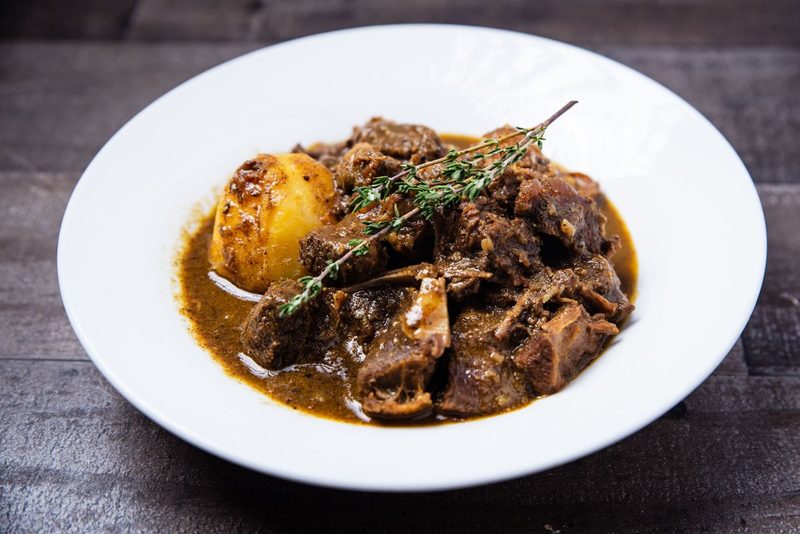
Denver is not the first city most people name when they think about Caribbean cooking. Miami, New York, Orlando, and parts of South Florida usually get that attention, and for good reason. Those places have larger Caribbean communities, deeper restaurant density, and the kind of grocery infrastructure that makes regional cooking easier to sustain. Even so, writing off Caribbean food Denver would be a mistake. The city’s scene is smaller, but that often sharpens the experience. When a cook is making jerk chicken, braised oxtail, or a proper plate of rice and peas in a market where those dishes are not automatic bestsellers, you tend to feel the intention.
That is what makes the best island-inspired meals in Denver worth a deliberate trip. They are not background food. They carry memory, migration, and technique. They also stand out in a city where many diners are already tuned in to bold flavors, long marinades, slow cooking, and food that lands with some heat. Caribbean cuisine fits Denver better than many people expect.
The phrase “Caribbean food” gets used as if it describes one unified cuisine, but anyone who has spent real time eating across the islands knows how misleading that can be. Jamaican food is not Trinidadian food. Cuban cooking does not taste like Dominican cooking. Puerto Rican stews, Haitian spice blends, and the fried snacks of the Lesser Antilles all tell different stories. The common thread is not sameness. It is a shared geography shaped by African, Indigenous, European, South Asian, and Latin American influence, plus the practical genius that comes from cooking with what the climate and trade routes made available.
That matters when you go looking for Caribbean food in Denver. If you arrive expecting a single flavor profile, you will miss the point. Better to think in terms of families of dishes. There is the smoke and allspice depth of jerk. There are rich gravies from braised meats. There is plantain in more than one form, sweet and soft or crisp and savory. There are rice dishes that do real work, not filler on the side. There are patties, fritters, and breads that can carry a lunch by themselves. There are sauces with Scotch bonnet bite that linger long after the meal.
What makes a Caribbean meal worth traveling across town for
A lot of Denver restaurants are good at first impression. Strong branding, polished interiors, a menu built for photos. Caribbean cooking asks for something different. The best meals are persuasive because of depth, not novelty. You can smell whether the marinade had time to do its job. You can see whether cabbage was treated as an afterthought or seasoned properly. You can tell whether beans were cooked into the rice with intention or spooned together at the end.
Good island cooking rarely rushes. Even the quick items, a beef patty, fried sweet plantains, a pressed sandwich, often depend on prep done hours or a full day earlier. Oxtail has to soften without collapsing. Curry has to settle into the meat. Jerk has to move past surface spice and into the fibers. Rice and peas need to absorb coconut, thyme, scallion, and stock. The difference between decent and memorable often comes down to patience.
Denver diners who are used to barbecue understand this instinctively. So do people who care about Mexican stews, pho broth, or a well-made pot roast. Caribbean food belongs in that same conversation. It is layered, technical, and deeply tied to time.
Another reason these meals feel worth the trip is that they often deliver value in the old-fashioned sense. Portions tend to be generous. A plate with jerk chicken, rice, cabbage, and plantains can carry a hungry person through the afternoon with no trouble. A braised meat dish may cost more up front, especially with current beef prices, but it often arrives as a substantial meal rather than a carefully styled tasting. That kind of satisfaction still matters.
The flavors Denver gets right
Denver’s altitude changes some things in the kitchen, but it does not erase good seasoning. In fact, restaurants that take Caribbean food seriously often compensate through careful moisture control and stronger stock work. You notice it in stewed dishes first. A good brown stew chicken or oxtail plate should taste cohesive, with sauce that clings and speaks clearly of onion, garlic, thyme, pepper, and browning. If the gravy feels watery or separate, the kitchen either rushed the reduction or never built the foundation.
Jerk is the dish many people seek first, and it can also be the most misunderstood. Real jerk is not just heat. It should carry pimento, which most Americans know as allspice, along with thyme, scallion, garlic, ginger, and some combination of Scotch bonnet or habanero depending on what is available. Smoke matters too. The ideal version has char at the edges, tenderness underneath, and a seasoning profile that tastes alive rather than dusty. In Denver, where outdoor smoking is not always straightforward for every operation, the strongest versions are often the ones that manage balance instead of chasing brute force. Smoke should support the spice, not flatten it.
Rice deserves more respect than it gets. One of the quickest ways to tell whether a kitchen understands the cuisine is to pay attention to the starches. Rice and peas should not be bland, chalky, or merely beige. It should have aroma. Plantains should be ripe enough to caramelize and soft enough to contrast with the savory components around them. Macaroni pie or baked mac and cheese, when a spot serves it, should taste like a real side dish with structure and seasoning, not generic catering pasta.
Then there are the sauces. Pepper sauces and house condiments can reveal a lot about a restaurant’s confidence. A sharp green sauce, a sweet heat glaze, or a hot relish made with onion and peppers can transform a plate. When a place puts effort into these details, it usually means the rest of the menu is in good hands.
Dishes that tell you whether a kitchen means it
If you only have one visit to judge a spot, certain dishes reveal more than others. They expose technique, discipline, and whether the menu is being cooked from habit or from memory.
- Jerk chicken, because it shows the kitchen’s command of marinade, smoke, and heat
- Oxtail or braised beef, because slow cooking leaves nowhere to hide
- Curry goat or curry chicken, because spice balance can turn muddy fast if handled poorly
- Rice and peas, because the supporting cast should be as compelling as the meat
- Beef patties or other handhelds, because pastry, filling, and seasoning all need precision
A plate built around jerk chicken can fool you if the kitchen leans on char and sweet sauce. That is why I always pay attention to the sides on the same order. If the cabbage is lively, the rice is fragrant, and the plantains taste like they were cooked with care instead of dumped from a freezer bag, the odds improve dramatically.
Braised dishes are even more revealing. Oxtail, when done properly, has a particular kind of richness. The meat should pull free easily, but it should still taste of itself. The sauce should have body from actual cooking, not from starch alone. If a restaurant gets oxtail right, it usually understands its base flavors. If it misses on oxtail, the rest of the menu often shows the same shortcuts.
Curries matter for a different reason. Caribbean curries, especially in Trinidadian and Jamaican traditions, are not interchangeable with Indian restaurant curries, though there are shared roots. The spice blend tends to be toasted and bloomed in its own way, often with a more rustic, direct expression. A good curry goat should smell warm and earthy first, then show pepper and herb notes as you eat. If all you taste is salt and generic yellow powder, move on.
The Denver advantage most people overlook
One reason Caribbean food Denver can be more satisfying than expected is that the city’s diners are not passive. People here drive for a good meal. They will cross neighborhoods for barbecue, birria, dumplings, Ethiopian platters, or a bakery item that sells out by noon. That behavior helps smaller cuisines survive. You do not need a restaurant on every block if enough customers understand that certain foods are destination foods.
Denver also has a long-standing appreciation for casual, counter-service restaurants where the priority is what lands in the takeout box, not whether the chairs match the wall color. Caribbean cooking often thrives in that format. The food travels reasonably well if packaged correctly. Rice and braises hold heat. Patties stay portable. Fried items have a shorter window, but even they can survive a sensible trip home. In practical terms, that means some of the best meals may caribbean food denver come from modest storefronts, market kitchens, or family-run spaces that do not spend much energy on spectacle.
Another advantage is ingredient crossover. Colorado chefs and home cooks already respect chiles, smoke, grilled meats, and slow braises. That does not make Caribbean cooking easy, but it means diners are open to the logic of the food. A city trained to appreciate green chile, smoked wings, and heavily seasoned pork is not a hard sell for jerk, curry, and stewed chicken.
How to order if you want the best first impression
A smart first order is not necessarily the biggest combo on the menu. It is the one that gives you the clearest read on the kitchen. If you are dining with another person, split one marquee dish and one braised or curried dish. That contrast tells you more than two versions of grilled meat ever will. Add a side that sounds routine, cabbage, beans, plantains, slaw, and pay attention to it. Restaurants that care about side dishes usually care about everything else.
Timing helps. Midday can be excellent for patties, lunch plates, and anything coming fresh off a steam table or out of a hot case. Late afternoon into dinner tends to favor grilled meats and dishes that have had time to settle. There is also a practical reality in smaller operations: popular items can sell out. That is not romantic. It is simply what happens when a kitchen cooks in limited batches to preserve quality and manage cost.
If you are sensitive to spice, ask questions without asking the kitchen to redesign the food. Most Caribbean restaurants are happy to explain which dishes are naturally hot and which are more aromatic than fiery. Heat levels also vary by island tradition and by cook. Jerk can be assertive without becoming punishing. Pepper sauces are often served on the side for exactly this reason.
The best approach is usually this:
- Start with one signature dish and one slow-cooked dish if you are sharing
- Keep the original sides instead of swapping everything out
- Ask whether a house pepper sauce is available, then add it gradually
- Order patties if they are clearly fresh or house-made
- Expect a fuller, heavier meal than a standard fast-casual lunch
That last point matters. Caribbean food often carries comfort-food weight. Rich gravies, rice, starchy sides, and sweet fried plantains can make a lunch feel like Sunday dinner. If you are planning a long afternoon of errands afterward, choose accordingly.
Beyond jerk, the deeper pleasure of island cooking
Jerk gets the headlines because it is dramatic. Smoke, spice, and char do that. But the dishes people come back for week after week are often quieter. A tender braised chicken in brown gravy. A flaky patty with a well-seasoned beef filling. A bowl of callaloo or a side of stewed greens with enough garlic and salt to make the plate coherent. A fried plantain so ripe it practically melts. These are not flashy foods. They are sustaining foods.
That is one of the reasons Caribbean restaurants tend to build loyal followings rather than broad trend-driven crowds. Once someone finds a place that gets the details right, they return because the meal delivers emotional clarity. You know what you are getting, and you trust it. That matters more than novelty after the first visit.
For diners in Denver, there is an extra reward in that process. Because the scene is not oversaturated, every strong meal feels discovered rather than assumed. You pay closer attention. You talk to the cashier or the owner. You notice who else is ordering, which dishes disappear first, and whether regulars are coming in for full trays or just a couple of patties. Those cues help more than review scores.
What authenticity actually means here
People use the word “authentic” too loosely. In restaurant talk, it often becomes a way of demanding that a dish stay frozen in somebody else’s memory. Caribbean cooking has never worked that way. It is a cuisine of adaptation, trade, migration, substitution, and invention. Cooks have always adjusted based on what was available, what the weather allowed, and what the market could support.
So when evaluating Caribbean food in Denver, the better question is not whether every dish is identical to one served in Kingston, Port of Spain, Havana, or San Juan. The better question is whether the cooking shows fidelity to the dish’s core logic. Does the jerk taste properly marinated and spiced? Does the curry carry depth rather than generic heat? Does the rice belong on the same plate, or is it just filler? Does the food feel cooked by someone who understands its rhythms?
Sometimes adaptation improves the local version. Colorado produce can be excellent in season. Local poultry can be very good. A chef who respects the cuisine and cooks with discipline can translate island traditions beautifully without pretending the Front Range is the Caribbean.
What should make you skeptical is not adaptation. It is flattening. If everything tastes sweet, if every sauce feels interchangeable, or if the menu treats Caribbean cooking as a vague tropical mood board, the kitchen is probably chasing an image rather than a cuisine.
The experience is bigger than the plate
A strong Caribbean restaurant often communicates through scent before anything else. You catch thyme, smoke, frying dough, onion in hot oil, maybe a little clove or allspice. The room may be quiet or busy, polished or plain. What matters is whether it feels lived in. These are cuisines with a strong sense of occasion, but also an equally strong sense of everyday nourishment. They should be able to do both.
That dual identity is part of why island-inspired meals stand out in Denver. They can fit a casual lunch, a takeout dinner, or a weekend drive across town when you are tired of predictable food. They also tend to leave a stronger memory than more neutral cuisines. You remember the scent on your hands from a piece of jerk chicken. You remember the sweetness of the plantains against the salt and pepper in the meat. You remember a curry that seemed mild at first, then warmed up slowly over ten minutes.
Those are the meals worth seeking out. Not because they are rare, though in some parts of the city they are. Not because they are trendy, because they usually are not. They are worth the trip because they offer a kind of completeness that many restaurant meals miss. Seasoning, comfort, heat, texture, generosity, and craft all arrive on the same plate.
For anyone exploring Caribbean food Denver with real curiosity, that is the right mindset to bring. Go beyond the idea of “trying something different.” Look for care, depth, and a kitchen that respects the long work behind these dishes. When you find it, you will know quickly. The meal does not need a hard sell. It speaks in smoke, spice, and the kind of slow-cooked confidence that stays with you long after the table is cleared.
Reggae Pot Jamaican Grill
2243 S Monaco St Pkwy, Suite 104
Denver, CO 80222
(720) 410-2956
FAQ About caribbean food denver
What is a typical Caribbean meal?
Caribbean cuisines vary by island. A Jamaican meal might pair jerk chicken or oxtail with sides such as rice and peas, cabbage, or fried plantains.
What is Jamaica’s national dish?
Ackee and saltfish is widely recognized as Jamaica’s national dish. Check the current menu for availability.
Is Caribbean jerk the same as Jamaican jerk?
Jerk is a Jamaican cooking tradition associated with seasoning and slow cooking or grilling. The exact heat level and preparation vary by cook.