Caribbean Food Denver: Top Rated Spots for Island Cuisine
@johnnyeymw159
November 27, 2026 · 13 min read
Denver is not the first U.S. City people associate with Caribbean cooking, and that is exactly why the good places matter so much. When you find a kitchen here that understands the snap of a proper tostone, the slow heat of a good jerk marinade, or the comfort of black beans cooked all the way through instead of treated like an afterthought, you remember it. The local Caribbean scene is smaller than what you would find in South Florida, New York, or parts of New Jersey, but it has depth if you know where to look.
That depth also comes with a caveat. In Denver, Caribbean food is not one single lane. Cuban cafés, Jamaican grills, rum-heavy bars with island influence, and neighborhood counters serving rice, beans, plantains, and stewed meats all get folded into the same conversation. Some places lean hard into one island tradition. Others interpret the region more loosely. If you are searching for the best Caribbean food Denver has to offer, it helps to arrive with two things: appetite and a little flexibility.
The city rewards diners who pay attention to details. Is the rice just there to fill the plate, or does it taste like stock, garlic, and time? Are the plantains caramelized properly, with real sweetness and dark edges? Does the pork carry the right mix of smoke, citrus, and fat? Those are the clues. The strongest Caribbean spots in Denver may not always be flashy, but they know how to build flavor from the base up.
What Caribbean food looks like in Denver
One reason people get mixed results when searching for caribbean food denver is that they expect a single, unified category. Caribbean cooking does not work that way. It is a region shaped by African, Spanish, Indigenous, French, and Asian influences, and the differences between a Cuban sandwich shop and a Jamaican jerk counter are not cosmetic. They are structural. The seasoning base is different. The starches are different. The rhythm of the meal is different.
Denver’s version of that landscape tends to center more visibly on Cuban food, with Jamaican flavors showing up in smaller pockets. You will find roast pork, pressed sandwiches, yucca, maduros, and black beans more easily than a long menu of Trinidadian doubles or a broad spread of Dominican steam-table dishes. That does not make the scene weak. It just means the city has specialties.
If you are new to the category, the easiest way to judge a place is to order beyond the safest item on the menu. A sandwich can tell you a lot, but a plate tells you more. Rice, beans, pork, chicken, plantains, sauces, and sides expose whether a kitchen really understands the cuisine or simply borrows its names.
Cuba Cuba Cafe & Bar, still the name most people mention first
For many Denver diners, Cuba Cuba Cafe & Bar is the entry point into Caribbean and Cuban flavors. It has been part of the city’s dining conversation for years, and there is a reason it keeps coming up. The room has personality, the menu is broad enough for groups, and the kitchen tends to understand what diners want from this style of food: richness, brightness, and comfort in the same bite.
The smart play here is to treat it as more than a sandwich stop. Yes, the Cuban sandwich gets attention, and fairly so, but the more revealing orders are the composed plates. Roast pork with citrus notes, black beans with real body, and sweet plantains that taste cooked rather than assembled, those are the things that separate a serious kitchen from a themed one. Cuba Cuba usually does well when you order with that logic.
This is also one of the better places in the city for diners who want a Caribbean meal without having to explain the cuisine to the rest of the table. There are cocktails, familiar proteins, and enough range to keep cautious eaters comfortable. That matters more than people admit. Plenty of excellent regional restaurants lose business because they are too narrow for mixed groups. Cuba Cuba has long understood the opposite approach. It gives new diners an easy on-ramp without stripping the meal of its character.
What I appreciate most about places like this is that they can serve two kinds of guests at once. One table wants a lively dinner and a mojito. Another wants the kind of pork and rice plate that feels restorative after a long day. When a restaurant can satisfy both, it earns its reputation honestly.
Cuba Cuba Sandwicheria, faster format, same core appeal
When locals talk about reliable lunch options in this genre, Cuba Cuba Sandwicheria almost always enters the conversation. It takes the strengths of the larger café format and trims them into something more casual. That makes it particularly useful on a weekday, when you want flavor without committing to a two-hour meal.
The obvious move is a pressed sandwich, and there is no shame in that. A proper Cuban depends on balance more than size. Too much mustard and it turns sharp. Too much pork and it goes heavy. Weak bread and the whole thing falls apart. When done right, the sandwich feels compact, salty, tangy, and deeply satisfying. That compactness matters. The best versions are not overloaded. They are disciplined.
Still, it would be a mistake to think of the Sandwicheria as only a sandwich counter. Bowls, plates, sides, and quick-service staples often say just as much about a place. Watch how they handle beans, rice, and plantains. Even in a fast format, those items should not taste like they came from separate worlds. Good Caribbean food works because the plate is cohesive.
This kind of restaurant also fills an important gap in Denver. Caribbean food in many cities lives at either end of the spectrum, either a sit-down night out or a tiny takeout spot with limited hours. A dependable, accessible middle ground is valuable. For office workers, hospital staff, students, and anyone bouncing between neighborhoods, that convenience can be the difference between occasional curiosity and regular patronage.
Reggae Pot, where the seasoning does the talking
If your personal definition of Caribbean food begins with jerk seasoning, allspice, thyme, chile heat, and that unmistakable smoky edge, you are probably looking for a place like Reggae Pot. Denver does not have a huge concentration of Jamaican restaurants, which makes any kitchen that gets these flavors right especially important.
Jerk is one of the most misunderstood dishes in American restaurant culture. Too often it gets reduced to generic spiciness, as if heat alone is the point. Real jerk flavor is layered. It should smell of herbs and warm spices before the heat even registers. It should have sweetness, char, and a little bitterness from the grill. The best versions build slowly and stay with you. When a kitchen understands that, you know it almost immediately.
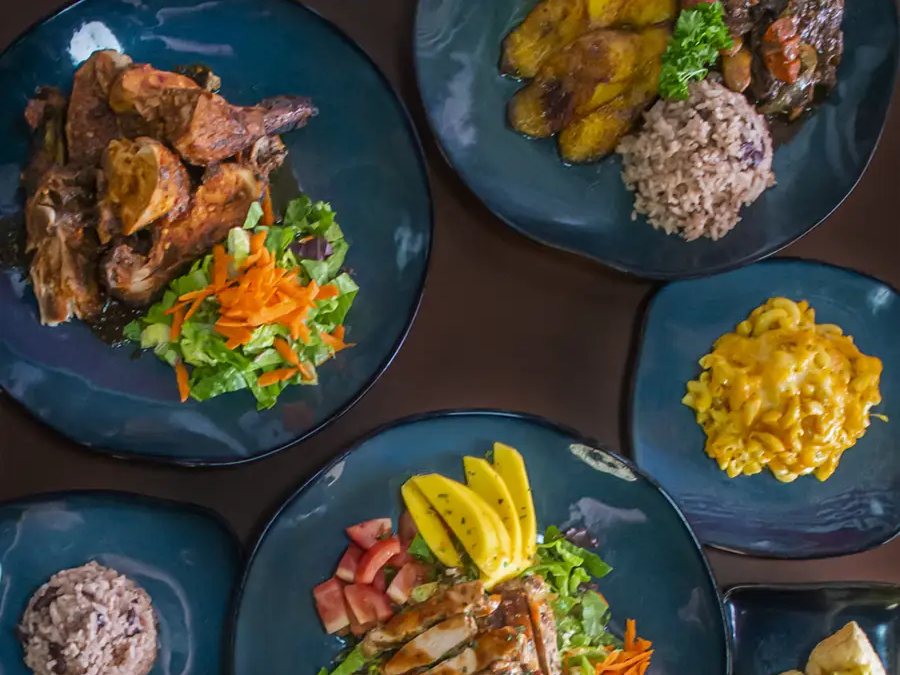
At a place like Reggae Pot, the question is not only whether the chicken is hot enough. It is whether the supporting cast is treated seriously. Rice and peas should have flavor of their own. Cabbage should bring relief and contrast, not sit there like an obligation. Plantains should be sweet and soft, not pale and underdone. Jamaican cooking, at its best, is intensely generous. Every element on the plate contributes.
This is also where Denver diners sometimes misjudge value. Caribbean plates can look simple to people used to toweringly plated brunch food or oversized pub portions. But the labor is in the seasoning, the marinating, the braising, the rice, and the sides. A jerk plate done correctly offers far more craft than its humble presentation suggests.
Jamaican spots in the metro area, worth seeking out when you find them
Because the Denver market is smaller, Jamaican food often appears in a scattered pattern rather than as a dense cluster of restaurants. You may need to expand your search beyond the city core, and that is usually worth doing. Some of the best island cooking in any metro area lives in modest storefronts, not downtown corridors.
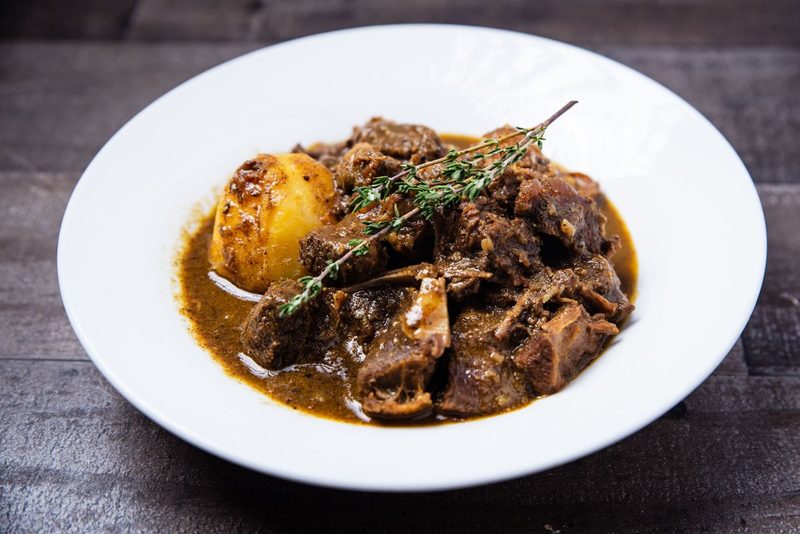
What makes these places memorable is usually not décor. It is conviction. The curry goat has enough time in it. The oxtail tastes like someone cared. The escovitch fish has acid and punch instead of feeling timid. In practical terms, that means your best meal may come from a room that looks far less polished than a typical Denver hot spot. Experienced diners know not to confuse those things.
When I talk to people who crave Caribbean food regularly, they almost always mention the same pattern. The places they return to are not necessarily the trendiest ones. They are the kitchens where the seasoning remains consistent, the staff can steer you honestly, and the food still tastes good after the drive home. That last point matters. A lot of Caribbean cooking, especially braises and rice-based plates, travels well. In a spread-out metro area like Denver, that makes takeout part of the equation.
Why Cuban food has become the most visible island cuisine in town
There are practical reasons Cuban food has found firmer footing in Denver than some other Caribbean traditions. The format translates well. Sandwiches work at lunch. Pork plates appeal to a broad audience. Black beans and rice are familiar enough to feel approachable, but distinct enough caribbean food denver to feel like a real cuisine rather than generic comfort food.
There is also a useful crossover with what Denver diners already like. This is a city that responds well to bold sandwiches, grilled meats, casual cafés, and cocktails. Cuban restaurants can meet all of those expectations while still preserving their own identity. That makes them easier to sustain over time.
The risk, of course, is flattening the region into one style. If your only experience with Caribbean food in Denver is a Cuban sandwich and a mojito, you have only seen one corner of the map. Delicious corner, yes. Complete picture, no. The deeper pleasure comes from tasting how different islands solve the same question: how do you make humble ingredients taste vivid, comforting, and impossible to forget?
What to order if you want the meal to tell the truth
At many restaurants, the crowd favorite is not always the best diagnostic. At a steakhouse, you can learn more from the vegetables than the ribeye. Caribbean spots work similarly. Signature items matter, but side dishes and slow-cooked staples tell the fuller story.
A good first order is often a roast or braised meat plate. Pork is especially revealing. It should taste seasoned all the way through, not simply coated at the end. Chicken is another useful benchmark, especially if it is jerked or stewed. Dryness means corners were cut. Richness with clean spice means someone paid attention.
Beans deserve more respect than they usually get. Proper black beans should taste developed, not watery or oddly sweet. Rice should carry aroma and seasoning, not just bulk. Plantains should be cooked to the point where sugar and starch have transformed. Those details can sound small, but they are usually what separate a restaurant you try once from one you return to monthly.
If seafood is available, it can be a smart order, especially in dishes where acidity, garlic, or escovitch-style pickling come into play. Just remember that Denver is inland, and menus can shift based on what a kitchen can source reliably. In practice, that often means the strongest orders are the ones a restaurant builds its routine around, not the ones it keeps for novelty.
The reality of finding great Caribbean food in Denver
Anyone searching for caribbean food denver should know the scene rewards patience more than checkbox dining. You may not find a dozen excellent options packed into a single neighborhood. You may need to drive. You may need to follow a tip from a bartender, a nurse finishing a late shift, or a friend who cares more about oxtail than ambiance. That is how these food trails often work in cities with smaller Caribbean communities.
There is also the issue of consistency from dish to dish. Some Denver restaurants do one or two island classics very well, then fill out the rest of the menu with items that are merely fine. That does not make them bad restaurants. It just means you should order strategically. If a place is known for roast pork, order the roast pork. If regulars talk about jerk chicken, do not get distracted by the safest fried appetizer on the menu.
Another practical note, especially for newcomers: spice levels and seasoning styles vary more than people expect. One cook’s medium can feel mild if you grew up with Scotch bonnet heat. Another’s version may be toned down for the local market. If you care deeply about heat, ask. If you care more about flavor complexity than raw spice, ask that too. Good staff will know the difference.
A few signs you have found the right place
The strongest Caribbean restaurants in Denver usually reveal themselves before the plate even lands. The room smells like cooking, not just frying. Staff have opinions about the menu. Side dishes are spoken about with as much seriousness as mains. The crowd includes people who are clearly regulars.
There is also an energy specific to places that feed people well. Orders reggaepotjamaicangrill.com caribbean food denver leave the kitchen with purpose. People get quiet for the first few bites. Someone at the table starts passing plantains around without being asked. These are not romantic notions. They are ordinary signs of a restaurant doing honest work.
One of my better meals in this category came after a long winter week, the kind of Denver stretch when cold air makes everyone crave warmth and fat and spice. The plate was simple: meat, rice, beans, plantains, hot sauce on the side. Nothing about it was trendy. Everything about it was right. That is the appeal of Caribbean food in a place like Denver. It lands harder because you did not stumble onto it by accident. You went looking for it, and when you found it, it felt earned.
Where to start, and how to build from there
If you want the shortest version of the search, start with Cuba Cuba Cafe & Bar for a fuller sit-down experience and Cuba Cuba Sandwicheria for a quicker lunch. If Jamaican flavors are what you actually crave, make the effort to seek out a place like Reggae Pot or another local Jamaican kitchen with a strong reputation for jerk, curry, or braised dishes. Then order a plate, not just an appetizer, and pay attention to the sides.
That is how you get a real read on the city’s Caribbean cooking. Not from a slogan, not from a tropical cocktail, and not from a menu covered in palm imagery. You get it from the rice, the beans, the plantains, the pork, the chicken, the sauce, and the care that holds them together.
Denver may never have the sheer Caribbean restaurant density of bigger coastal markets. It does not need to. What it does have are a handful of places that understand why these cuisines matter, and how to serve them with substance. For anyone serious about finding memorable Caribbean food in Denver, that is more than enough to begin.
Reggae Pot Jamaican Grill
2243 S Monaco St Pkwy, Suite 104
Denver, CO 80222
(720) 410-2956
FAQ About caribbean food denver
What is a typical Caribbean meal?
Caribbean cuisines vary by island. A Jamaican meal might pair jerk chicken or oxtail with sides such as rice and peas, cabbage, or fried plantains.
What is Jamaica’s national dish?
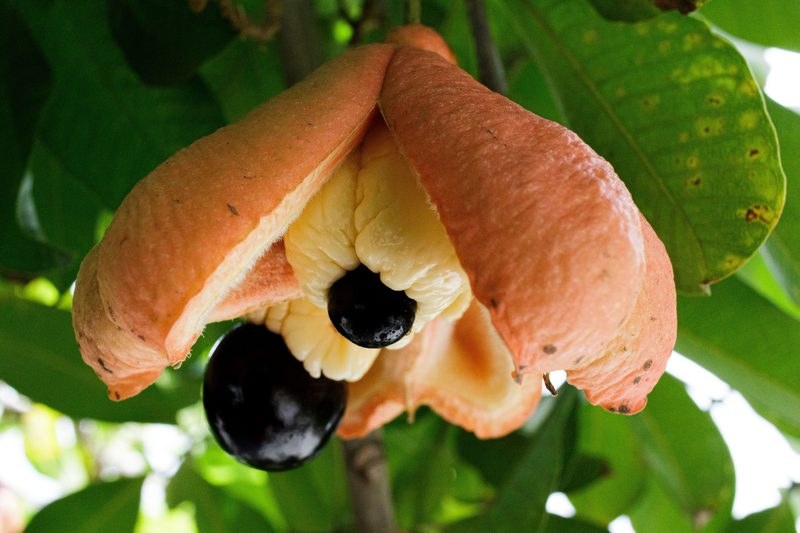
Ackee and saltfish is widely recognized as Jamaica’s national dish. Check the current menu for availability.
Is Caribbean jerk the same as Jamaican jerk?
Jerk is a Jamaican cooking tradition associated with seasoning and slow cooking or grilling. The exact heat level and preparation vary by cook.