Jamaican Food in Denver: Best Dining Spots for Caribbean Cravings
@johnnyeymw159
September 24, 2026 · 14 min read
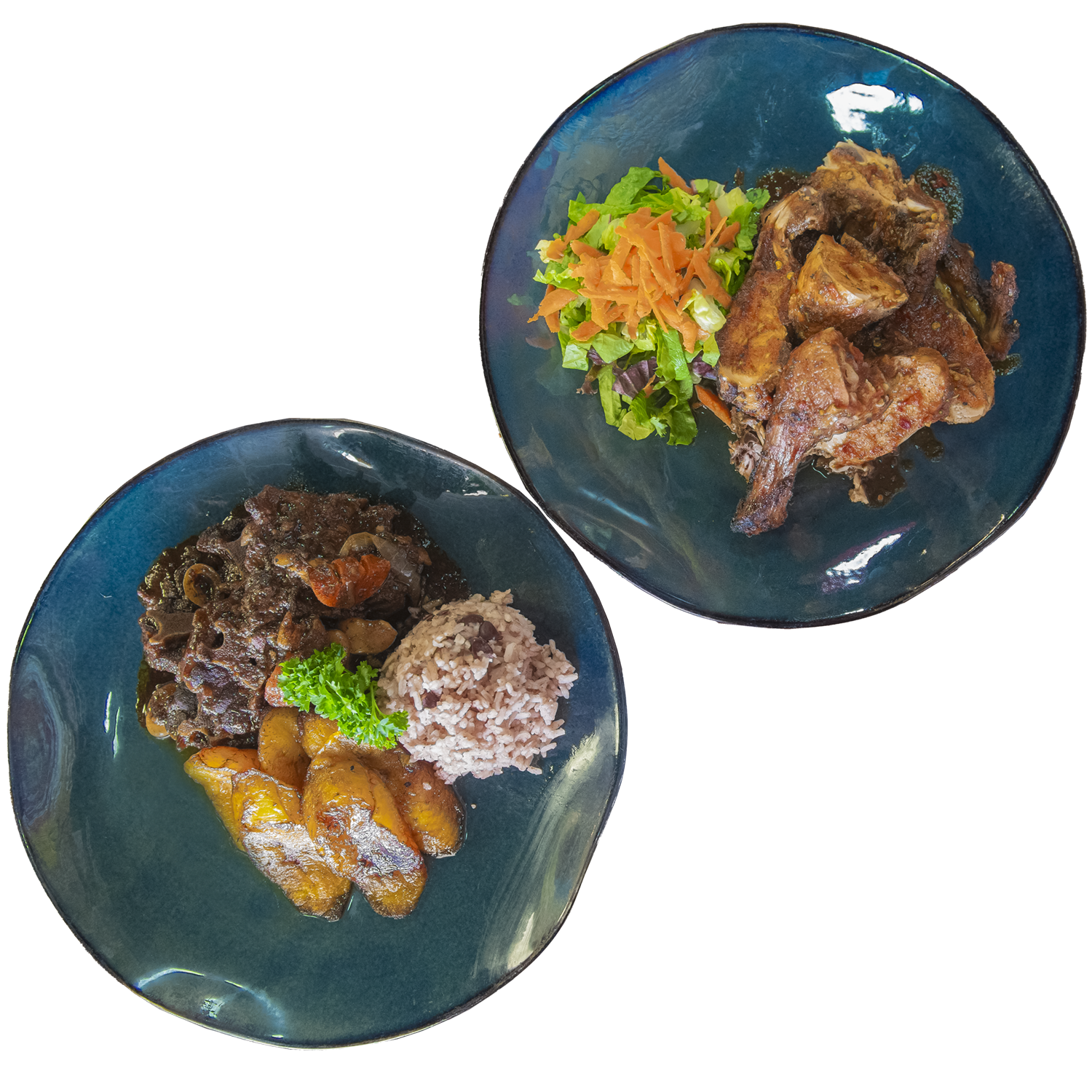
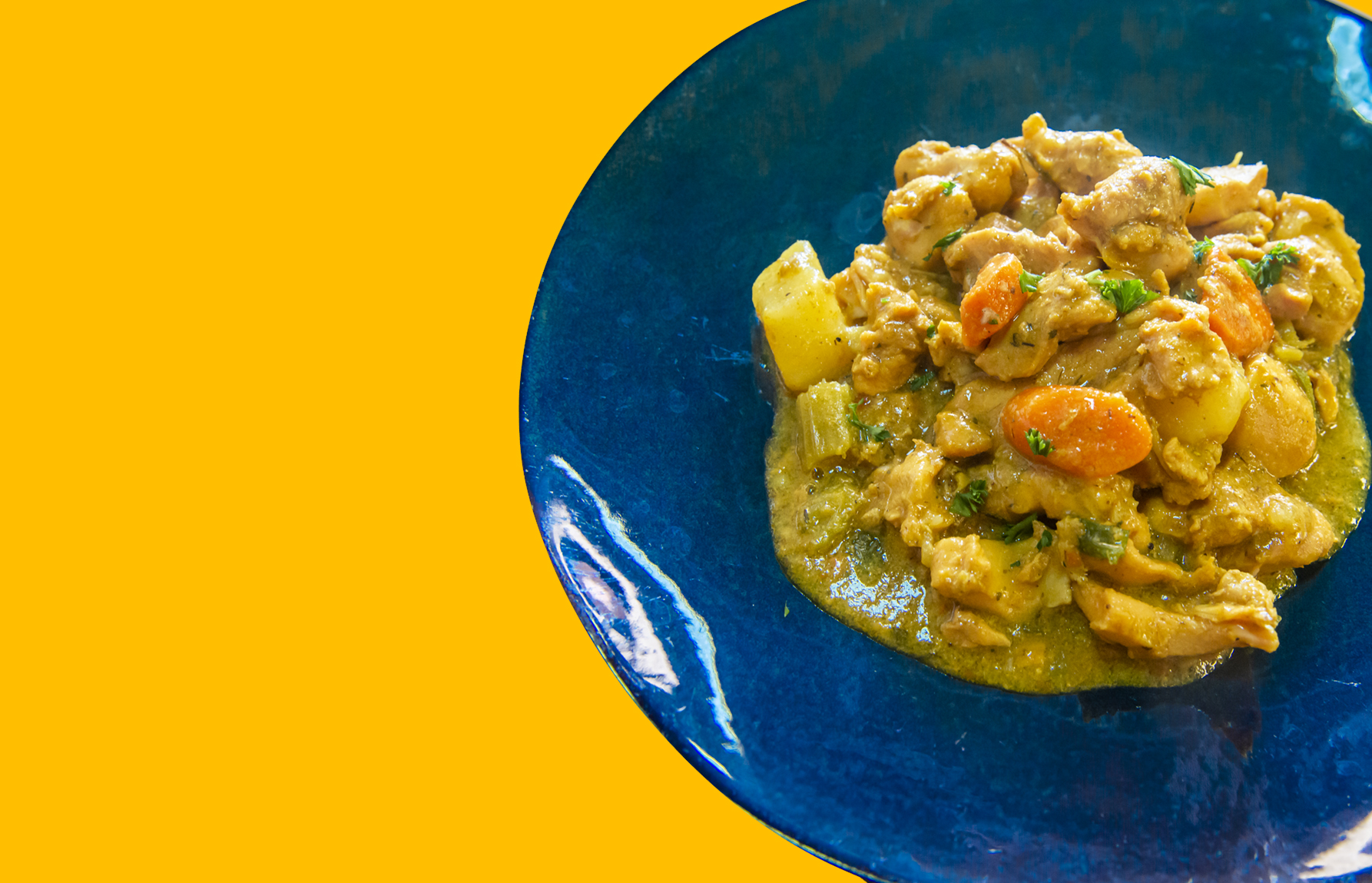
Finding great Jamaican food in Denver takes a little more intention than finding tacos, burgers, or sushi. The city does not have a massive Jamaican restaurant footprint, and that is part of what makes the best places memorable. When you do find a kitchen turning out proper jerk chicken, deeply seasoned oxtail, curry goat with real backbone, or a plate of rice and peas that tastes like somebody cared about it from the first pot, you remember it.
Denver’s Caribbean dining scene tends to reward people who look beyond the obvious. Some of the strongest meals come from modest storefronts, hybrid Caribbean kitchens, catering operations that open for lunch, or food trucks that build a following one plate at a time. If you are searching for jamaican food denver options, it helps to know what authentic cooking should taste like, where these businesses usually thrive, and how to separate a genuinely good kitchen from one that leans too heavily on the word “jerk” without delivering the flavor.
What makes a Jamaican restaurant worth seeking out
A good Jamaican meal rarely announces itself with fancy presentation. It wins on aroma first. Before the plate lands, you should catch smoke, allspice, thyme, scallion, Scotch bonnet, and the savory richness of meat that has had time to absorb seasoning. Jerk done well is not simply spicy chicken. It carries heat, yes, but also sweetness, herbs, char, and a little bitterness from the grill or smoker. The balance matters.
The same goes for the broader menu. Oxtail should feel glossy and slow-braised, not watery. Curry goat should have depth rather than just yellow color. Brown stew chicken should bring a dark, savory gravy with peppers and onion, not something thin and generic. Even the sides tell you a lot. Rice and peas should be fragrant and distinct, with coconut milk and proper seasoning. Cabbage should still have texture. Fried plantains should be caramelized at the edges, soft inside, and never oily enough to leave your fingers slick.
This is where experience comes in. A lot of diners new to Jamaican cuisine assume the main event is the heat level. It is not. Heat can be thrilling, but the real hallmark is layering. The best kitchens build flavor in stages, often with marinades, browning, slow braises, pepper sauces, and smoke. If the food tastes flat until sauce is poured over it, that is usually a sign the fundamentals are not there.
Denver’s Jamaican scene is smaller, but that can work in your favor
Cities with larger Caribbean populations often have block after block of choices. Denver is different. Jamaican food here exists in a more concentrated, sometimes more improvisational way. You may find a dedicated Jamaican restaurant in one part of town, then a broader Caribbean or Afro-Caribbean spot elsewhere that serves an excellent jerk plate, then a pop-up or truck with a loyal weekend crowd.
That smaller ecosystem changes how you should approach the search. Instead of expecting a polished restaurant row full of options, expect to do a bit of reading, a bit of driving, and sometimes a bit of waiting. The payoff is that many of the better spots are run by owners who treat the food personally. They know when the oxtail is right. They know if the patties sold out because they made a limited batch that morning. They know why one pepper sauce bites harder than another.
In practical terms, some of the strongest Caribbean food in the Denver area often appears outside the most tourist-heavy corridors. Aurora, East Colfax, and certain neighborhood strip centers tend to be better hunting grounds than polished entertainment districts. That pattern holds in many cities. Rents are more forgiving, immigrant-owned businesses can operate with less overhead, and regulars often matter more than foot traffic from visitors.
The “best dining spots” are not always the fanciest rooms
People often ask for the “best restaurant” as if one place can cover every mood. Jamaican food does not really work that way. The best spot for a quick lunch box may not be the best place for a relaxed sit-down dinner. The restaurant with the strongest jerk chicken may not make the best patties. A food truck may produce a better curry than a brick-and-mortar operation because the owner focuses on only a few dishes and does them repeatedly.
That means “best” usually comes down to the kind of meal you want.
If you are after a first experience with Jamaican food in Denver, choose a place that offers the standards and seems busy during lunch or early dinner. That gives you the best chance of fresh turnover. Start with jerk chicken or brown stew chicken, rice and peas, cabbage, and a patty if they have one. This combination tells you almost everything you need to know about the kitchen. The protein shows seasoning and technique, the sides reveal attention to detail, and the patty gives you a read on snackable comfort food that many regulars judge very seriously.
If you are already familiar with the cuisine, go deeper. Ask whether the kitchen has curry goat, oxtail, escovitch fish, or specials that do not always make the online menu. Some of the most rewarding meals come from asking one direct question at the counter: “What’s particularly good today?” In a genuinely strong kitchen, the answer is usually immediate and confident.
What to order first when you want the real measure of a kitchen
A lot of diners get distracted by oversized combo menus. My advice is to order the dishes that expose the restaurant most clearly. These are the ones that show whether the cooks understand Jamaican flavor beyond surface-level branding.
- Jerk chicken, for smoke, marinade depth, and balance of heat
- Oxtail, for braising technique and gravy quality
- Curry goat, for tenderness and spice layering
- Rice and peas, for fragrance, texture, and seasoning
- Beef patty, for pastry quality and filling balance
That short list works because none of these items can hide behind novelty. Jerk needs assertive seasoning and some element of char. Oxtail needs patience. Curry goat needs proper handling or it turns chewy and muddled. Rice and peas reveal whether the kitchen respects the so-called simple parts of the meal. Patties, meanwhile, are small but telling. A good one should have flaky pastry and a filling with real savoriness, not just salt and pepper.
Jerk in Denver, what separates the good from the disappointing
Jerk is probably the dish most people seek first when looking for Jamaican food in Denver, and it is also the one most often mishandled. The word gets used loosely across the restaurant industry. Some places serve grilled chicken with a sweet-hot glaze and call it jerk. That is not enough.
Authentic jerk usually starts with marinade, often involving allspice, thyme, scallion, garlic, ginger, Scotch bonnet, and other seasonings that vary by cook. The meat should sit long enough to absorb those flavors. Then comes heat, ideally from a grill or smoker, where the exterior gets dark and aromatic without becoming dry. The final bite should feel layered, not one-note. If the chicken is spicy but lacks herbaceousness, smoke, and depth, it misses the mark.
Denver’s altitude can complicate cooking times, especially for grills and smokers, so a little variation is normal. Still, the best local kitchens adjust rather than compromise. They may finish meat differently, marinate longer, or hold it with care so it stays juicy. That matters more than whether the dining room has tropical decor or reggae on the speakers.
Oxtail is expensive for a reason, and worth judging carefully
Oxtail has become pricey almost everywhere, and Denver is no exception. When you see it on a menu, expect it to cost more than chicken or patties. That alone does not make it special. A lot of places charge premium prices because the ingredient is expensive, but the dish itself still needs craft.
Well-made oxtail should be tender enough to pull from the bone with very little effort, but not cooked into mush. The gravy should be rich and dark, with body from collagen and reduction, not just starch. Beans often appear in the braise, adding softness and earthiness. It is a dish that rewards long cooking and careful seasoning, and when a Denver restaurant gets it right, it tends to be one of the strongest reasons to return.
A small warning from experience: order oxtail earlier in the day if possible. Popular places run out, and some dishes lose quality when held too long. Lunch service can sometimes be a sweet spot, especially at owner-operated establishments that cook a set amount rather than endless batches.
The side dishes are where a restaurant proves its discipline
One of the easiest ways to tell whether a Caribbean kitchen in Denver is serious is to look at what happens on the side of the plate. Rice and peas, steamed cabbage, macaroni and cheese, fried plantains, festival, and even a simple salad can separate a careful cook from an average one.
Rice and peas should support the meal, not disappear into it. You want grains that stay distinct, with enough coconut and spice to carry flavor even when eaten alone. Cabbage should be softened but not exhausted. Plantains should be ripe enough to bring sweetness and color. If a place is careless with those details, there is a good chance the mains are doing more work than they should.
This matters especially in Denver because many people are trying Jamaican food casually, perhaps between errands or after hearing about a good lunch special. Side dishes often determine whether that first impression turns into repeat business. A restaurant that gets the little things right usually understands hospitality in a deeper way. It knows comfort is built from the full plate, not just the headline protein.
Where to look in the metro area
If you are doing a serious search for Jamaican food in Denver, widen the radius. Some of the better Caribbean meals connected to Denver dining culture sit in the broader metro area rather than downtown proper. This is common in sprawling cities where immigrant communities and affordable commercial rents https://jaidenhlmm136.wordcanopy.com/posts/jamaican-food-in-denver-best-choices-for-flavor-packed-meals do not always overlap with the city’s most advertised restaurant districts.
Aurora is often worth the drive. So are stretches of East Colfax and neighboring commercial corridors where independent restaurants can survive without downtown-level lease pressure. Food trucks also matter more than many people expect. In a smaller scene, trucks become incubators. They let cooks focus on a compact menu, build a loyal customer base, and test demand before taking on a full dining room.
When evaluating a place online, look past polished branding. Pay attention to menu specificity, photo consistency, and whether regulars mention individual dishes rather than vague praise. Reviews that say “the curry goat had great flavor but sold out by 7” are more useful than reviews that just call the food “amazing.”
Signs you’ve found the right spot
A strong Jamaican restaurant does not need to perform authenticity. Usually, it simply serves food with confidence. You may notice a short menu, handwritten specials, a crowd that clearly knows what to order, or staff who answer questions without overselling anything. Those are good signs.
Here is a practical way to read a place quickly:
- A focused menu is usually better than a giant one
- Busy lunch service often means fresher turnover
- House-made pepper sauce is a strong signal
- Sold-out items can be frustrating, but often indicate real demand
- Regular customers ordering family trays usually means the kitchen is trusted
None of those guarantees greatness on their own, but together they point in the right direction. The opposite signals are just as useful. Beware menus that cram together Jamaican, generic soul food, random seafood baskets, and a dozen unrelated fast-casual items with no clear identity. Hybrid menus can work, but only when they reflect the cook’s actual strengths rather than a scramble for broad appeal.
Dining in versus takeout, which works better?
Jamaican food travels surprisingly well, especially braised dishes like oxtail, curry goat, and brown stew chicken. In some cases, those dishes are even better after a short rest because the flavors settle and mingle. If you are ordering takeout in Denver, these are excellent choices.
Jerk is more situational. Fresh off the grill, with skin still taut and edges a little crisp, it is hard to beat in person. By the time it spends twenty minutes in a sealed container, some of that textural contrast softens. It can still be delicious, but if your main goal is to judge a restaurant’s jerk, dine in when possible or eat it immediately nearby.
Patties are another item that reward timing. A fresh, hot patty has a flaky shell and aromatic filling that really hits. Let it sit too long and the pastry loses some of its charm. If you see patties near the register, ask whether they were baked recently. That one small question can improve your meal more than an extra side.
The role of spice, and how to order intelligently
Not every Jamaican dish is blazing hot. That is a common misconception. Jamaican cooking is flavorful first, and then hot where it makes sense. Scotch bonnet peppers can deliver serious intensity, but a balanced dish uses that fire carefully. Some Denver restaurants calibrate spice for a broader audience, which is understandable in a market where customer expectations vary. Others keep things truer to the source and let the pepper speak.
If you like heat, ask whether the kitchen serves pepper sauce on the side. That is often the best route because it gives you control. If you are heat-sensitive but still want authenticity, choose brown stew chicken, oxtail, or rice and peas before assuming everything on the menu will overwhelm you. Jerk can be the hotter introduction, but it should still taste seasoned rather than punishing.
Price, portions, and what counts as value
Jamaican food often looks straightforward on the plate, but it is labor-intensive in ways many diners underestimate. Marinades take time. Braises take time. Proper sides take time. Rising meat costs, especially for oxtail and goat, also shape menu prices. So value is not just about getting a mountain of food. It is about whether the plate tastes cared for.
That said, portions at many Caribbean spots tend to be generous, particularly for lunch boxes and combo plates. A single order of curry goat or jerk chicken with rice and sides can stretch into two meals for lighter eaters. Family trays, when available, are often the most efficient way to sample broadly if you are ordering for a group. They also give you a better sense of consistency across dishes.
Why Denver’s Jamaican food matters even if the scene is small
A smaller dining category can sometimes be more revealing than a trendy one. Jamaican restaurants in Denver often survive on repeat business, community loyalty, catering, and the strength of a few signature dishes rather than hype. That tends to keep the focus where it belongs, on cooking.
For diners, that creates a different kind of restaurant experience. You are not just chasing the newest opening. You are learning which kitchens have real staying power, which owners know their food deeply, and which places make you willing to drive across town for a plate you cannot stop thinking about.
There is also something satisfying about finding a cuisine in a city where it is not overexposed. Expectations stay grounded. Meals feel more personal. And when you do discover a spot that nails the basics, smoke in the jerk, tenderness in the oxtail, fragrance in the rice, sweetness in the plantains, it feels earned.
The smartest way to explore Jamaican food in Denver right now
Approach the search with curiosity and a little patience. Check current hours. Look beyond downtown. Be willing to try a storefront that prioritizes flavor over design. Order the dishes that reveal technique. Talk to the staff if the room is not slammed. Return for the item everyone seems to sell out of first.
That approach usually works better than chasing a single “best of” ranking, especially in a category where restaurants can be small, family-run, and subject to menu changes based on labor, supply, or demand. Denver’s Jamaican scene may not be huge, but it has enough depth to reward diners who know what to look for.
If your craving is real, the city can meet it. Not everywhere, not all at once, and not always on the most obvious corner. But when you find the right kitchen, one that treats jerk like a craft and sides like they matter, Jamaican food in Denver stops feeling niche. It feels essential.
Reggae Pot Jamaican Grill
Address: 2243 S Monaco St Pkwy #104, Denver, CO 80222
Phone number: +17204102956
FAQ About Jamaican Food Denver
What is typical Jamaican food?
Typical Jamaican food features bold, vibrant flavors created by blending African, Taino, European, and Asian influences.
What is a famous Jamaican dish?
Ackee and saltfish is Jamaica's national dish, made by sautéing the soft local ackee fruit with salted cod, onions, tomatoes, and spicy Scotch bonnet peppers.
What food is most popular in Jamaica?
The most popular and famous food in Jamaica is Jerk Chicken, celebrated worldwide for its smoky, spicy flavor.